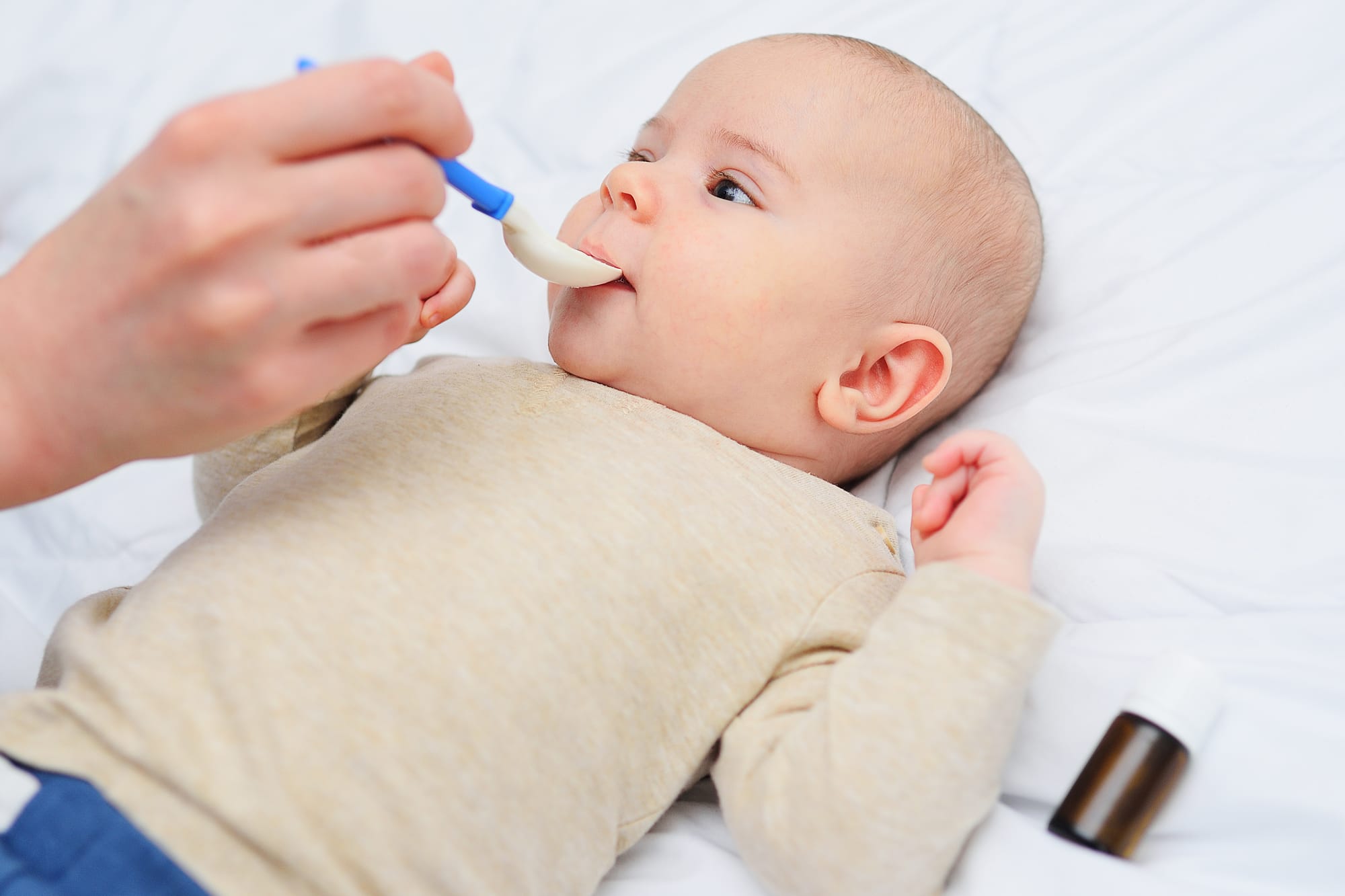
Infant Probiotics, Benefits and Uses
1) What infant probiotics are, and what they are not
Definition, live helpful microbes: Infant probiotics are specific strains of live microorganisms, usually bacteria such as Lactobacillus and Bifidobacterium, that are provided in appropriate amounts to help support a healthy gut microbiome in babies.
Strain matters: The term probiotic is not a single ingredient. Benefits are linked to particular strains, for example Bifidobacterium longum subsp. infantis, Lactobacillus rhamnosus GG, Lactobacillus reuteri DSM 17938, and certain Bifidobacterium breve strains.
Not the same as prebiotics: Prebiotics are fibers or oligosaccharides that feed beneficial bacteria. Human milk oligosaccharides in breast milk are natural prebiotics that encourage Bifidobacteria growth. Many infant products combine prebiotics plus probiotics, but they work differently.
Not a substitute for nutrition or medical care: Probiotics are a supportive tool, not a replacement for breast milk or formula feeding guidance, not a treatment for dehydration, and not a substitute for urgent care when a baby is very ill.
2) Why the infant gut microbiome is important in the first year
Rapid development window: The first months of life are a period of fast microbiome change. Early microbial colonization can influence digestion, immune education, and barrier function in the gut.
Gut barrier and immune training: A balanced microbiome supports the intestinal lining and helps regulate immune responses. This may affect how the infant immune system reacts to new foods, microbes, and environmental exposures.
Breastfeeding and microbiome patterns: Breastfed babies often show higher Bifidobacterium dominance, partly due to human milk oligosaccharides and other bioactive factors. Formula fed infants can also develop a healthy microbiome, but patterns can differ.
Common disruptors: Antibiotic exposure, premature birth, cesarean delivery, infections, and reduced feeding tolerance can shift early microbiome composition. In these situations some clinicians consider targeted probiotic use.
3) Evidence based benefits, digestive comfort and colic support
Infant colic and crying time: Some studies suggest certain strains, especially Lactobacillus reuteri DSM 17938, can reduce crying time in primarily breastfed infants with colic. Results are mixed across populations and feeding types, so expectations should be realistic.
Gas and bloating: Parents often use probiotics for gassiness or abdominal discomfort. Mechanisms may include improved carbohydrate fermentation patterns and reduced intestinal inflammation, but the strength of evidence depends on the strain and the infant’s baseline condition.
Stool frequency and consistency: Probiotics may help normalize stool patterns in some babies, for example supporting softer stools in occasional constipation or promoting more regular bowel habits, though constipation management should start with feeding assessment and pediatric guidance.
Functional regurgitation: Spit up is common in infants due to immature digestion and swallowing coordination. Probiotics are sometimes tried for reflux like symptoms, but evidence is not strong enough to replace established strategies like feeding position, burping, and medical evaluation when symptoms are severe.
4) Benefits for acute diarrhea and antibiotic associated diarrhea
Shortening infectious diarrhea: In certain cases, probiotics can modestly reduce the duration of acute infectious diarrhea, especially when started early. The benefit is more consistent for specific strains, and outcomes differ by setting and type of infection.
Antibiotic associated diarrhea: Antibiotics can disrupt gut flora and lead to loose stools. Some probiotic strains can lower the risk of antibiotic associated diarrhea. Timing can matter, and caregivers should separate probiotic dosing from antibiotic dosing by a couple of hours when possible.
Hydration still comes first: For diarrhea, oral rehydration solutions, breastfeeding continuation, and close monitoring are priorities. Probiotics can be an add on, not the main treatment.
Red flags require urgent evaluation: Blood in stool, signs of dehydration, persistent vomiting, lethargy, high fever, or diarrhea in very young infants should prompt immediate medical care, regardless of probiotic use.
5) Immune support, eczema, and allergy related outcomes
Immune modulation: Certain probiotics can influence immune signaling in the gut, including effects on regulatory pathways that help balance inflammatory responses. This is one reason probiotics are discussed for immune support, although the term can be broad.
Eczema prevention or improvement: Research on probiotics for atopic dermatitis is variable. Some trials show reduced eczema risk in high risk infants when probiotics are used during pregnancy and early infancy, while other studies show limited or no benefit. Strain selection and timing are key.
Food allergy outcomes: Evidence is still evolving. Probiotics are not a stand alone strategy to prevent food allergy. Early allergen introduction guidance and pediatric or allergy specialist advice remain the main tools.
Upper respiratory infections: Some data in children suggests fewer or shorter respiratory infections with certain probiotic strains, but infant specific evidence is less consistent. Families should keep routine vaccinations and hygiene as primary prevention methods.
6) Special situations, premature infants and neonatal use
Necrotizing enterocolitis context: In neonatal intensive care units, certain probiotics have been studied for reducing the risk of necrotizing enterocolitis in preterm infants. This is a specialized medical use that should only be managed by neonatology teams with protocols, product quality controls, and monitoring.
Product quality and hospital policies: In premature infants, product selection is critical. Strain identity, contamination risk, and storage conditions matter greatly, and not all commercial products meet NICU standards.
Do not self start in fragile infants: Families with preterm babies, low birth weight infants, or infants with central lines should not start probiotics without medical direction.
Follow NICU discharge plans: If probiotics are recommended after discharge, dose and duration should follow the neonatologist’s plan, with clear instructions about storage and preparation.
7) Choosing the right probiotic, strain, dose, and formulation
Look for clear strain labeling: A trustworthy product lists genus, species, and strain, for example Lactobacillus rhamnosus GG or Bifidobacterium animalis subsp. lactis BB-12. Avoid products that only say Lactobacillus or Bifidobacterium without strain details.
CFU count and realistic dosing: CFU means colony forming units, an estimate of viable organisms. Infant products often range from 1 to 10 billion CFU per day, depending on strain and purpose. More is not always better. The best dose is the one tested for that strain in infants.
Single strain vs multi strain: Multi strain blends are popular, but evidence is often strongest for a specific strain in a specific condition. Single strain products can make it easier to match clinical data and monitor responses.
Drops, powders, sachets: Infant probiotics often come as oil based drops or powders. Drops can be convenient for breastfed infants, powders can mix into cooled milk. Choose a form that supports consistent daily use.
Allergen and additive check: Review ingredient lists for cow’s milk proteins, soy, lactose, or sweeteners if the infant has sensitivities. Some products use carrier oils, consider compatibility with the baby’s digestion.
Storage requirements: Some probiotics need refrigeration, others are shelf stable. Heat and humidity reduce viability over time. Follow the label and avoid storing in very warm places.
8) How to give infant probiotics safely
Timing with feeds: Many caregivers give probiotics during or right after feeding to improve tolerance. For antibiotics, separate dosing by a couple of hours to reduce immediate inactivation.
Do not mix with hot liquids: Hot milk, hot water, or recently boiled liquids can reduce live bacteria. If using powder, mix into room temperature or cooled liquid.
Hygiene during preparation: Wash hands, use clean droppers or spoons, and avoid touching the dropper tip to the baby’s mouth. This helps prevent contamination of the bottle.
Start low when appropriate: For sensitive babies, some clinicians suggest starting with a smaller amount for a few days, then moving to the full dose. This is not required for all infants, but it can help identify tolerance.
Track changes: Keep a simple log of stool changes, gas, crying duration, feeding patterns, and skin symptoms. This helps determine whether the probiotic is helpful over a 2 to 4 week trial.
9) When probiotics may not be recommended, safety and contraindications
Immune compromise: Babies with known immunodeficiency, undergoing chemotherapy, or on significant immune suppressing medication require medical oversight, as rare bloodstream infections from probiotic organisms have been reported in high risk settings.
Serious illness or hospitalization: If an infant is severely ill, has persistent fever, poor feeding, or dehydration, do not rely on probiotics. Seek medical care and follow professional guidance.
Central venous catheters and heart disease: Infants with central lines or certain cardiac conditions may have higher risk from bacteremia. Decisions about probiotics should be clinician led.
Premature infants outside clinical supervision: As noted, preterm or medically fragile infants should only receive probiotics when recommended by their medical team.
Possible side effects: Temporary gas, mild bloating, or changes in stool can occur. If there is rash, worsening eczema, blood in stool, persistent vomiting, or signs of allergy, stop and consult a pediatrician.
10) Practical use cases, common parent goals and what to expect
Use case, colic support trial: If a breastfed infant has colic symptoms and a pediatrician agrees, a strain with supportive evidence can be tried daily for about 2 to 4 weeks. If there is no meaningful improvement, continuing is unlikely to help.
Use case, after antibiotics: If the baby develops loose stools during an antibiotic course, a probiotic can be considered to support gut balance. Continue a short period after antibiotics if advised, while monitoring hydration and diaper output.
Use case, occasional constipation: If stools become infrequent and hard, probiotics may help some infants, but feeding volume, formula preparation accuracy, and pediatric assessment should come first, especially in young babies.
Use case, immune season: Some families use probiotics during seasons with more infections. Expectations should remain modest, probiotics do not replace vaccination, sleep, nutrition, and hygiene.
Use case, eczema prone families: In families with a strong allergy history, probiotics may be discussed as part of an overall plan. This should be individualized, with careful selection and attention to skin care routines.
What improvement looks like: For digestive comfort, improvement may mean fewer episodes of intense crying, less apparent abdominal tension, and more predictable stools. Changes are usually gradual, not instant.
11) How probiotics interact with feeding, breast milk, formula, and solids
Breast milk synergy: Breast milk naturally supports beneficial bacteria through oligosaccharides and immune factors. Probiotics may complement this environment, particularly strains adapted to infant guts.
Formula considerations: Some formulas contain added probiotics or prebiotics. If a formula already includes probiotics, adding another product may be unnecessary or may increase the chance of gas. Discuss with a pediatrician before combining.
Introducing solids: Starting solid foods changes gut microbes. A probiotic may help some infants during transitions, but the biggest drivers are diet variety, food tolerance, and routine.
Iron drops and vitamins: Many infants use iron drops or vitamin D. These can sometimes affect stool color or consistency. Probiotics might help stool tolerance in some cases, but persistent constipation or black stools require medical guidance.
Hydration and fiber later on: Once solids begin, hydration and age appropriate fiber sources can support regular stools. Probiotics can be one piece of a broader digestive wellness approach.
12) Reading labels, quality indicators, and avoiding common mistakes
Verify strain and CFU at end of shelf life: Some labels list CFU at manufacture, others at expiration. Prefer products that guarantee potency through the end of shelf life, because viability declines over time.
Third party testing and transparency: Look for brands that provide quality controls, batch testing, and clear sourcing. Transparency is especially important for infant products.
Check expiration dates and storage: Avoid expired products or products stored in hot environments. Even a good probiotic can become ineffective if mishandled.
Do not assume all probiotics are interchangeable: One strain used for colic is not necessarily the best for diarrhea or eczema. Copying another parent’s routine may not match your baby’s needs.
Avoid overdosing: More CFU or more frequent dosing does not guarantee faster results and may worsen gas. Use the recommended dose unless a clinician advises otherwise.
Watch for unsafe claims: Be cautious of products that promise to cure infections, replace medications, or offer guaranteed immunity boosts. Responsible products focus on support, not miracles.
13) A realistic timeline, how long to use an infant probiotic
Short trials for symptom targeting: For colic, gassiness, or stool irregularity, a 2 to 4 week trial is a practical window. If there is no benefit, consider stopping and reassessing with a pediatrician.
During and after antibiotics: Probiotics are often used for the antibiotic course and for 1 to 2 weeks afterward, depending on the baby’s symptoms and clinician advice.
Longer term use: Some families use daily probiotics for months. If doing so, prioritize products with strong quality control, monitor for ongoing benefit, and revisit the need periodically.
Stop when goals are met: If stools normalize and baby is comfortable, a pause can be reasonable. A healthy microbiome can be supported by feeding, sleep, and routine even without continuous supplementation.
14) Questions to discuss with a pediatrician before starting
What exact symptom are we targeting: Clarify whether the goal is colic reduction, diarrhea prevention, antibiotic support, or eczema risk reduction. The target guides strain choice.
Which strain has evidence for my baby’s situation: Ask for a specific strain recommendation, including typical dose and duration for the baby’s age and health status.
Are there medical reasons to avoid probiotics: Confirm whether prematurity, immune issues, congenital conditions, or planned procedures change the risk profile.
How will we measure success: Agree on signs of improvement and when to stop or switch. This avoids prolonged use without a clear benefit.
What else should we do alongside probiotics: For example, feeding technique adjustments, formula review, managing fast letdown during breastfeeding, burping routines, or evaluating cow’s milk protein allergy symptoms.
15) Key takeaways for families focused on gut health and overall wellness
Probiotics can be helpful, but they are strain specific: Choose products with clear strain identification and infant appropriate dosing, rather than generic blends with vague labeling.
Best supported uses are digestive focused: Evidence is strongest for certain cases such as colic in some breastfed infants, and reducing antibiotic associated diarrhea risk. Benefits for immune or allergy outcomes may be possible but are less predictable.
Safety is excellent for healthy term infants, but caution is needed for high risk babies: Premature infants and medically fragile infants require clinician led decisions and high quality products.
Quality and handling determine results: Proper storage, clean preparation, and consistent daily use matter as much as the label claims.
Pair supplements with fundamentals: Breast milk or appropriate formula, gentle feeding routines, safe sleep, hygiene, and routine pediatric checkups remain the core of infant well being, with probiotics used as a supportive addition when needed.
16) Extra practical tips for daily routine and caregiver confidence
Create a simple schedule: Give the probiotic at the same time daily, for example after the first morning feed. Consistency improves the chance of noticing real changes rather than day to day fluctuations.
Use one change at a time: If you also switch formula, change bottle type, start reflux medication, or reduce dairy intake while breastfeeding, it becomes hard to know what helped. When possible, introduce only one major change per week, unless a doctor advises urgent changes.
Monitor diaper output rather than single stools: One unusual diaper is common. Focus on trends like steady urine output, the baby’s energy, and comfort while feeding, and whether stools remain persistently watery or hard.
Support the caregiver too: Colic and sleep disruption are exhausting. If probiotic use is part of a colic plan, also seek soothing strategies like paced feeding, gentle rocking, white noise, and caregiver breaks, because gut support alone may not resolve all crying.
Know when to stop experimenting: If symptoms are escalating, weight gain is poor, or the baby seems in pain, stop trying multiple over the counter products and seek medical evaluation. Conditions like milk protein allergy, reflux disease, or infection need specific care.
17) Common myths, clarified
Myth, probiotics work instantly: Some babies improve within a week, but many need 2 to 4 weeks to assess effect. Some will not respond, even with a well studied strain.
Myth, any probiotic is safe for any baby: Healthy term infants usually tolerate probiotics well, but high risk infants need medical supervision and careful product choice.
Myth, higher CFU always means better: Effective dosing is strain dependent. Overdosing can increase gas and does not guarantee better outcomes.
Myth, probiotics replace vitamin D or iron: Probiotics do not replace essential infant nutrients. Supplements like vitamin D and iron should follow pediatric recommendations.
Myth, probiotics can cure infections: Probiotics can support gut balance, but they do not cure bacterial infections, and they are not a substitute for medical treatment when needed.
18) Summary checklist for selecting and using an infant probiotic
Identify the goal: Colic support, diarrhea support, antibiotic course support, stool regularity, or eczema risk discussion.
Choose a strain with evidence: Prefer products that match clinical studies when possible, and that clearly list strain names.
Confirm age appropriateness: Use infant specific products with clear dosing instructions for newborns and young babies.
Check ingredients and allergens: Avoid unwanted proteins or additives based on your baby’s sensitivities.
Store correctly: Follow refrigeration or shelf stable guidance, keep away from heat, and respect expiration dates.
Give safely: Keep preparation clean, avoid hot liquids, and do not contaminate droppers.
Evaluate after 2 to 4 weeks: Continue only if you see meaningful benefit and your pediatrician agrees.
Seek help for red flags: Dehydration signs, blood in stool, persistent fever, poor feeding, lethargy, or significant vomiting require medical care.